The best WiFi routers for home office use depend on your internet plan, connected devices and whether you need broad home coverage or travel-ready access. These picks span Wi-Fi 6 and Wi-Fi 7, multi-gig wired ports, mesh expansion and VPN support to help match the router to your work setup.
Quick Top Products
TP-Link Archer BE400
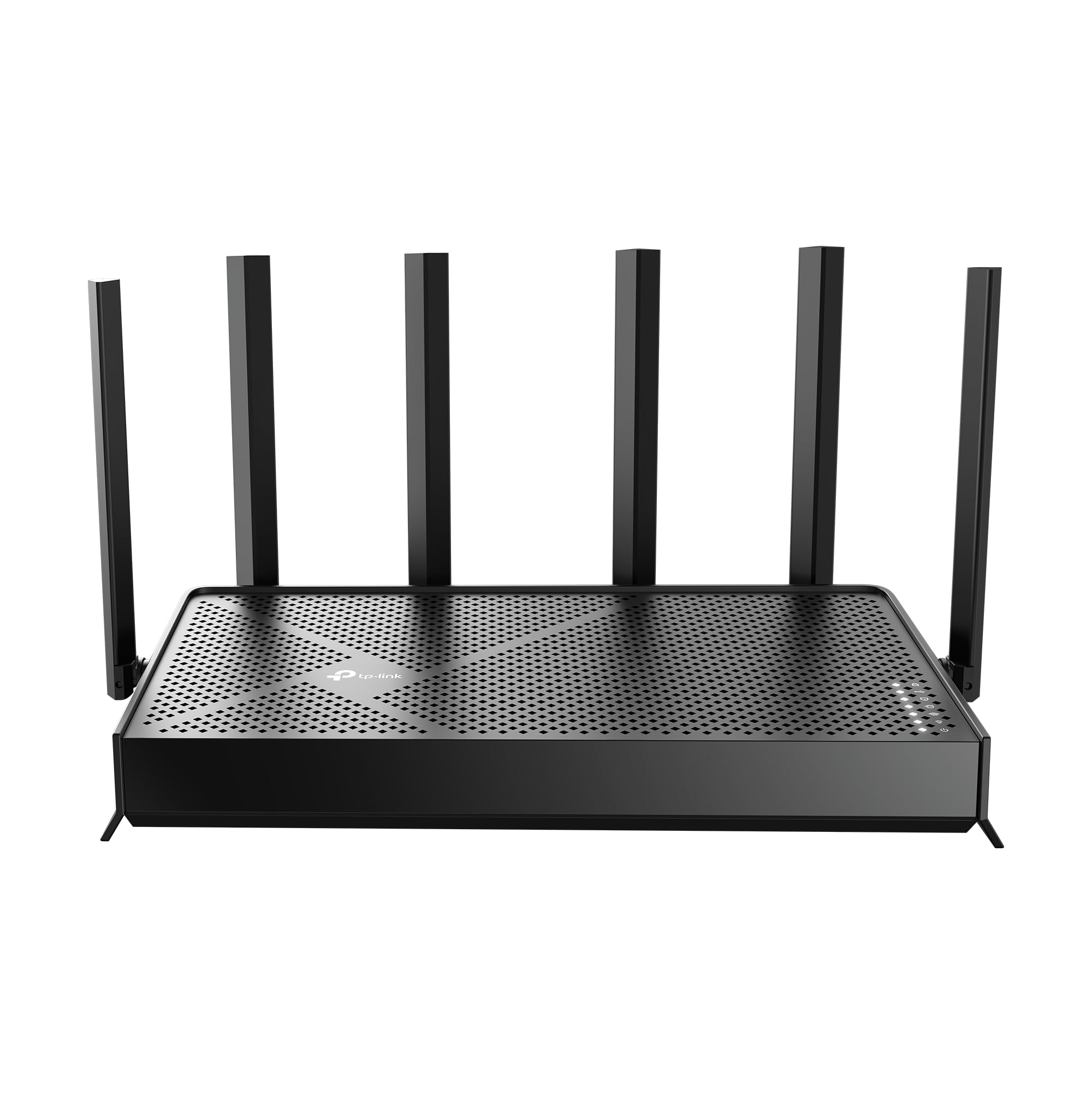
- Wi-Fi 7 supports Multi-Link Operation, Multi-RUs and 4K-QAM.
- Two 2.5 Gbps ports support multi-gig wired connections.
- EasyMesh compatibility can extend whole-home coverage.
Best For: Remote workers with many connected devices and a multi-gig internet plan.

TP-Link Archer BE230
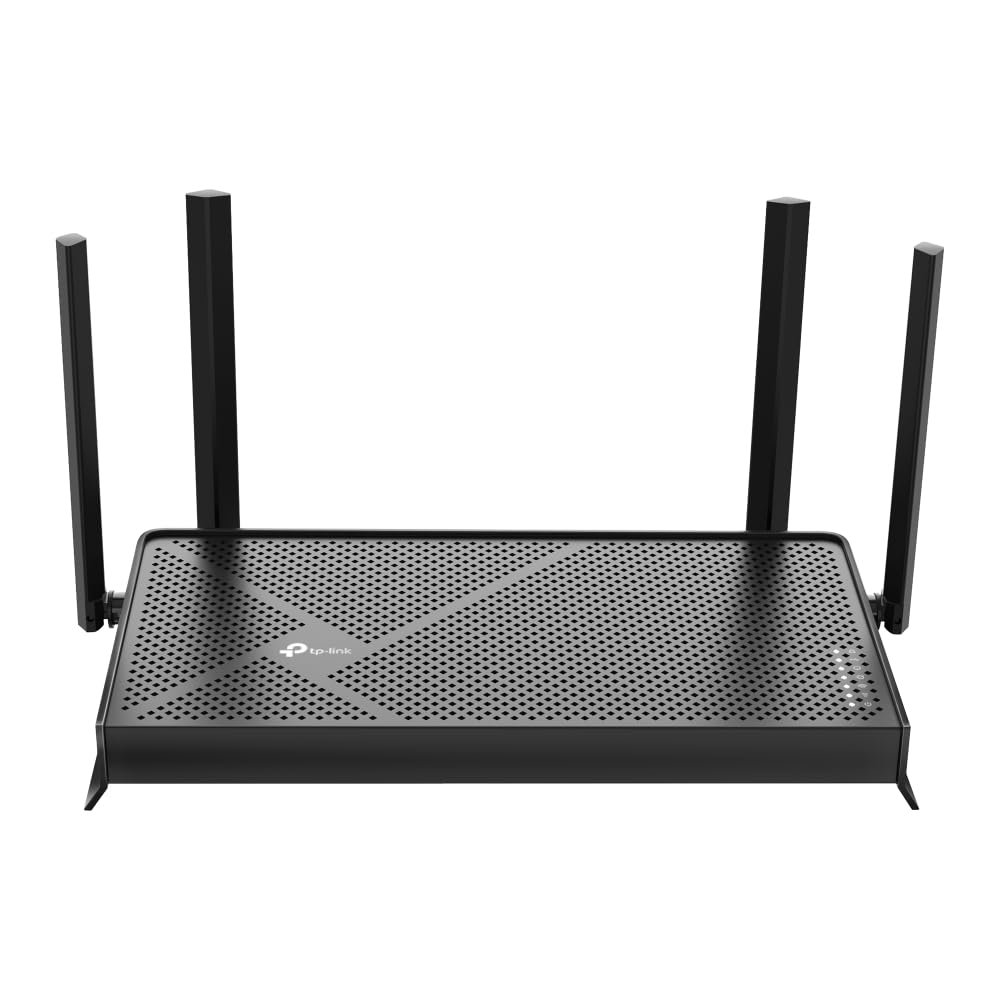
- Wi-Fi 7 includes Multi-Link Operation and 4K-QAM.
- It has two 2.5 Gbps ports and three 1 Gbps LAN ports.
- EasyMesh can extend the network with compatible equipment.
Best For: Home offices needing Wi-Fi 7, several wired connections and mesh expansion.
TP-Link Archer BE600
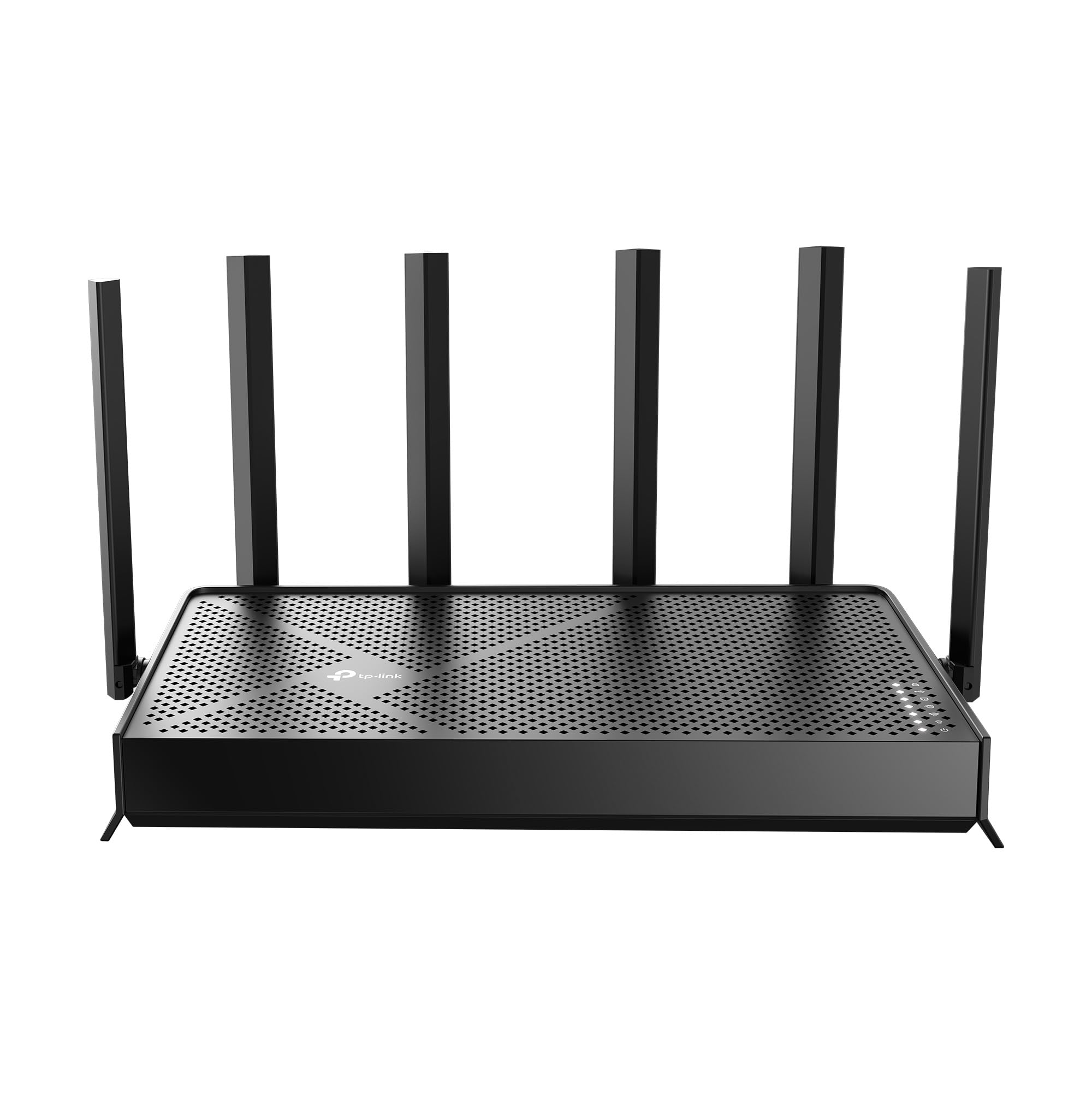
- Tri-band Wi-Fi 7 includes a 6 GHz band.
- It has one 10 Gbps port and four 2.5 Gbps ports.
- VPN clients and servers are supported.
Best For: Home offices in larger homes with many devices and multi-gig wired equipment.
TP-Link Archer AXE75
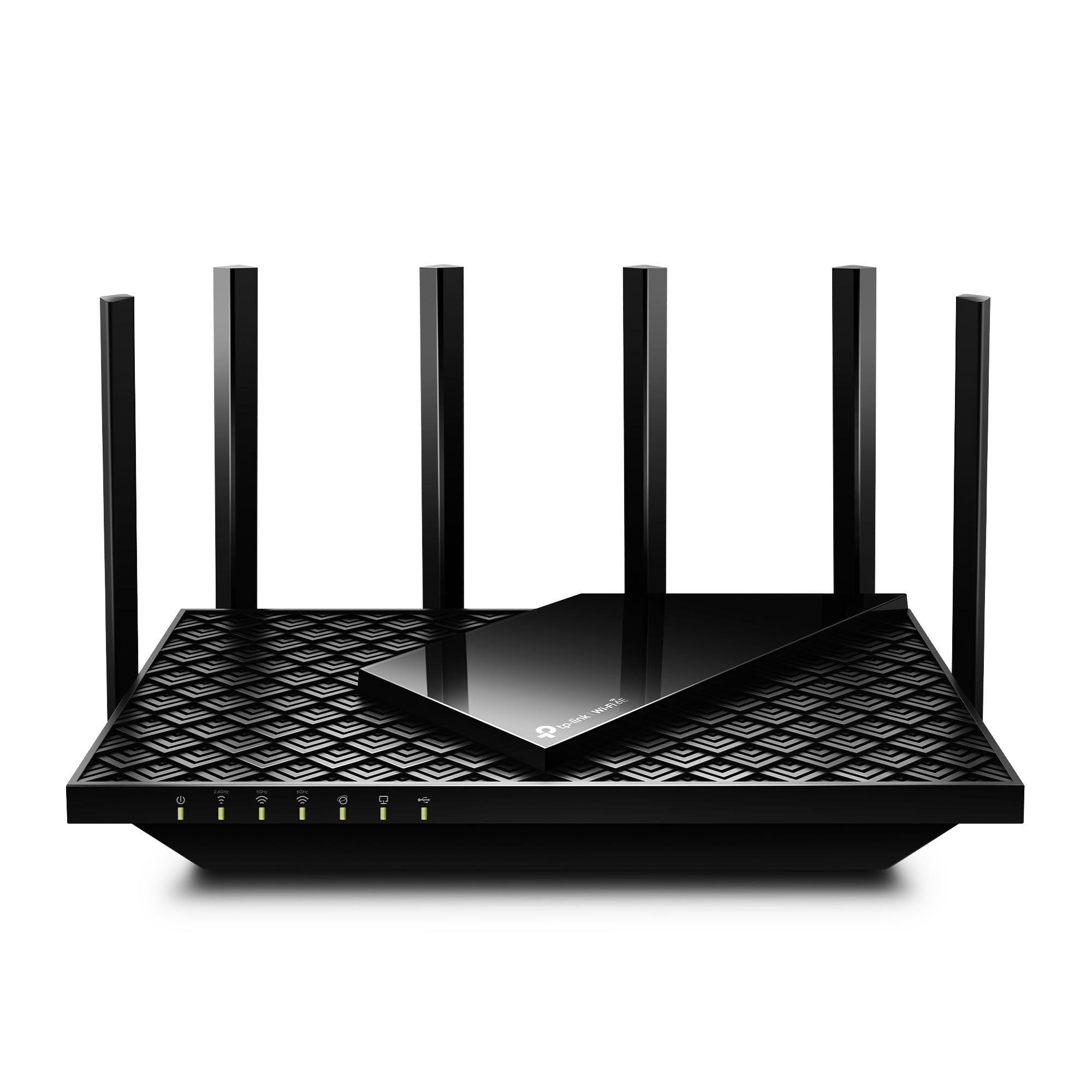
- Tri-band Wi-Fi 6E provides a 6 GHz band.
- OFDMA increases capacity for simultaneous transmissions.
- VPN server and client functions are supported.
Best For: Workers with Wi-Fi 6E devices who want tri-band capacity and VPN features.
TP-Link Archer GE650
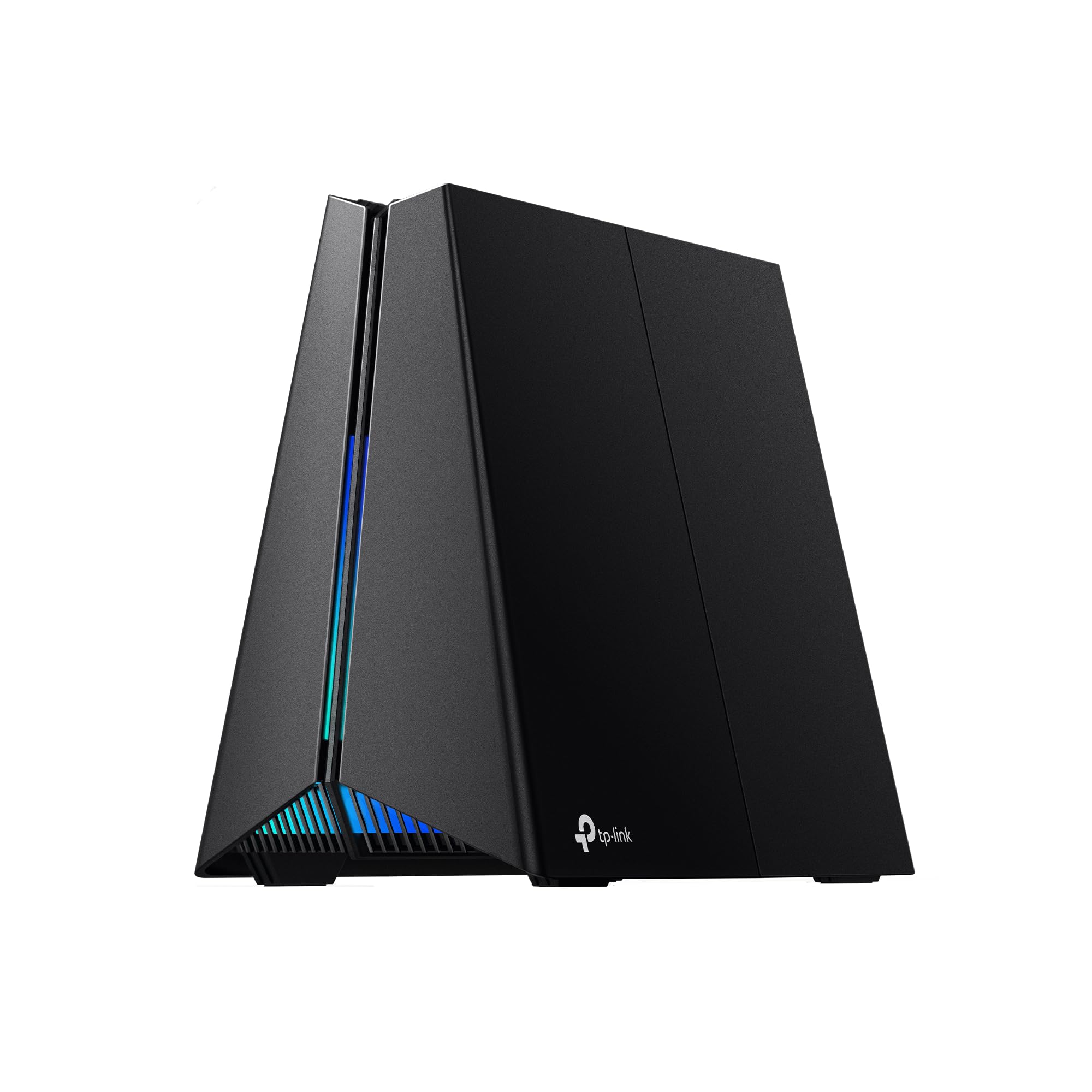
- Tri-band Wi-Fi 7 includes a dedicated 5 GHz gaming band.
- Wired ports include 5 Gbps and 2.5 Gbps connections.
- The game panel shows network and router performance information.
Best For: Home offices that share bandwidth with gaming on a tri-band Wi-Fi 7 network.
TP-Link Archer GE800
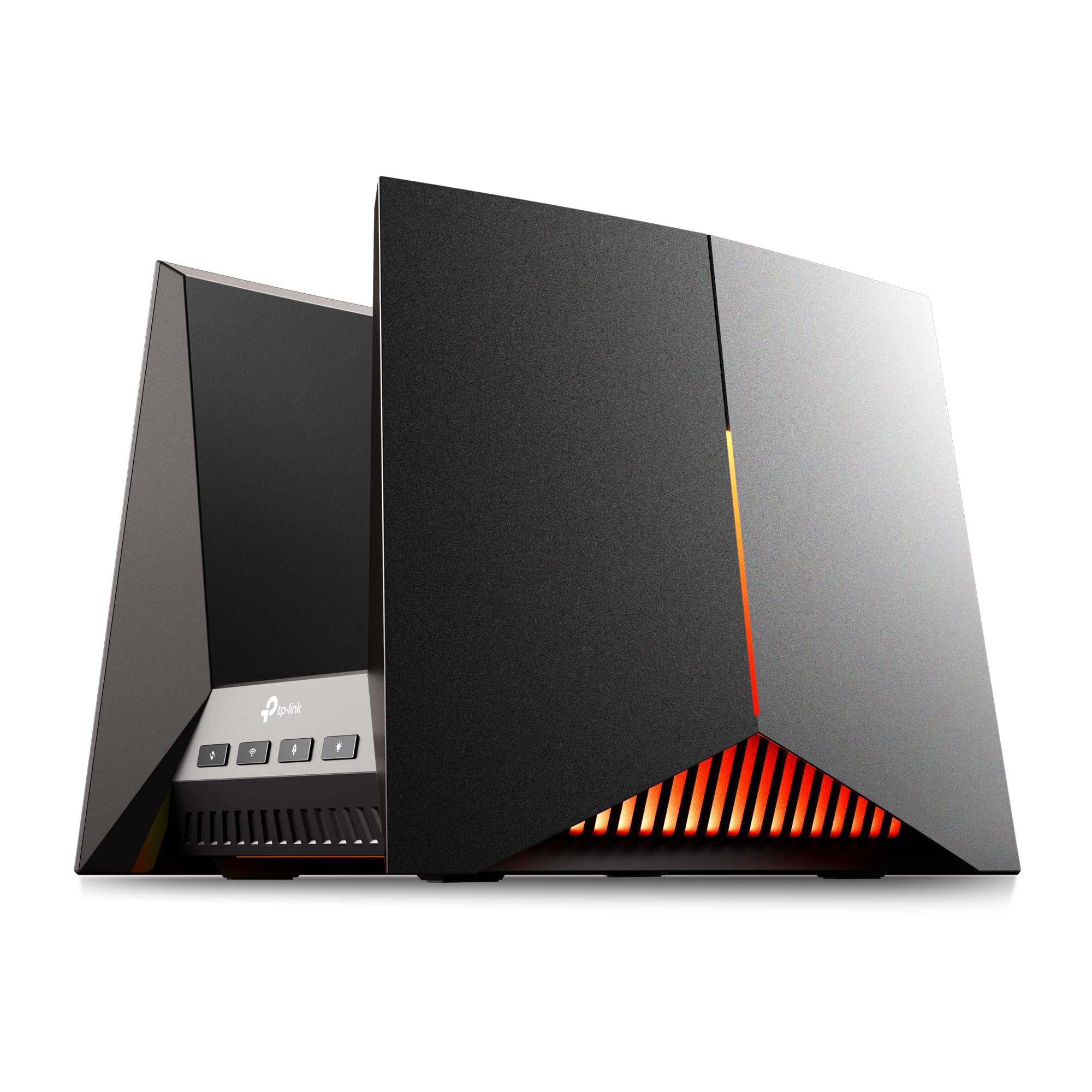
- Tri-band Wi-Fi 7 supports up to 19 Gbps across three bands.
- Wired connectivity includes two 10 Gbps and four 2.5 Gbps ports.
- Setup is available through the Tether app or web interface.
Best For: Power users who need numerous multi-gig wired connections alongside Wi-Fi 7.
Tenda RX12 Pro V3.0
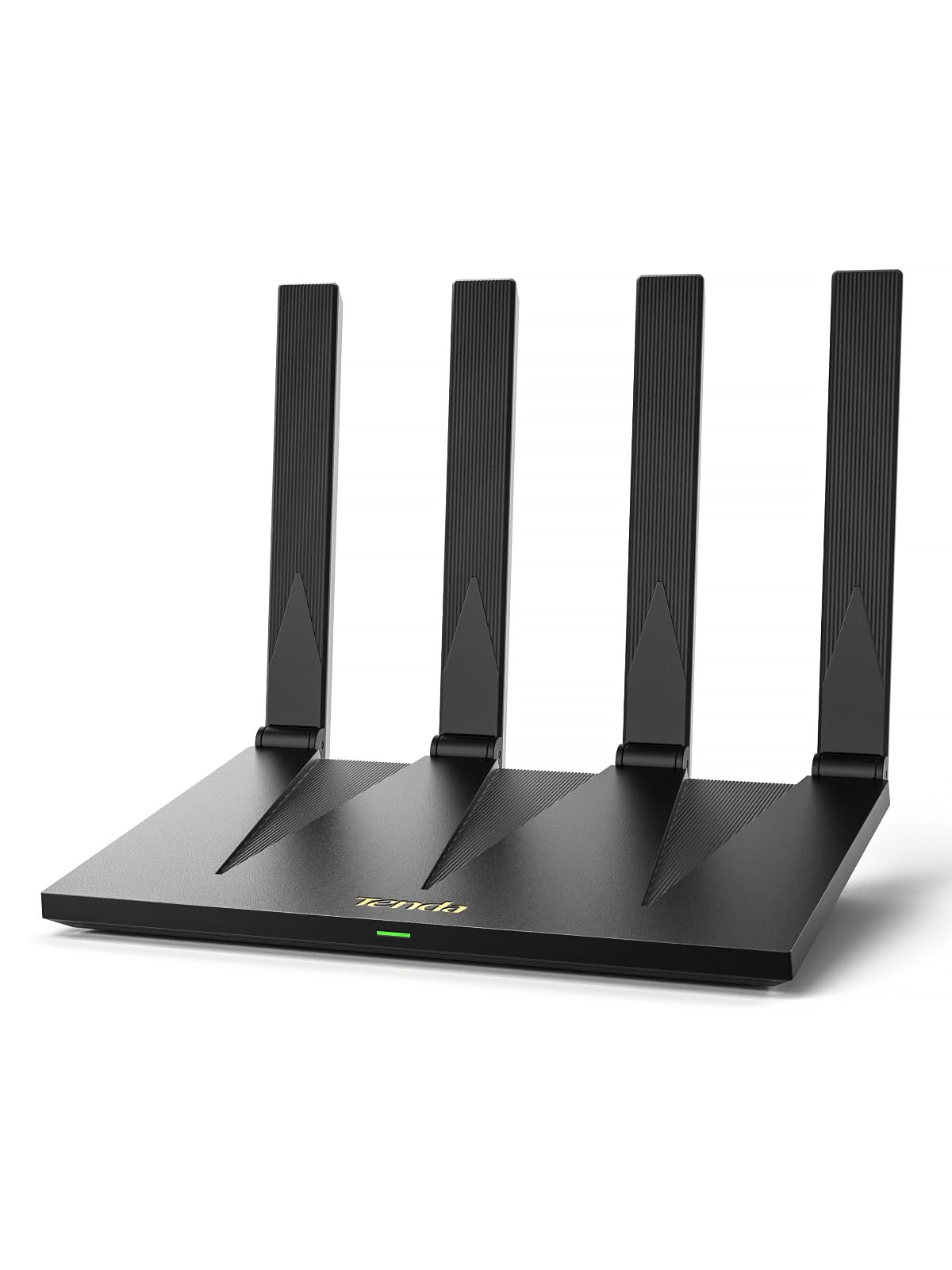
- Wi-Fi 6 speeds are rated up to 2402 Mbps on 5 GHz and 574 Mbps on 2.4 GHz.
- Four Gigabit ports support wired equipment.
- OpenVPN and WireGuard are supported via a firmware update.
Best For: Home offices seeking Wi-Fi 6, VPN options and a separate IoT network.
Tenda AC6
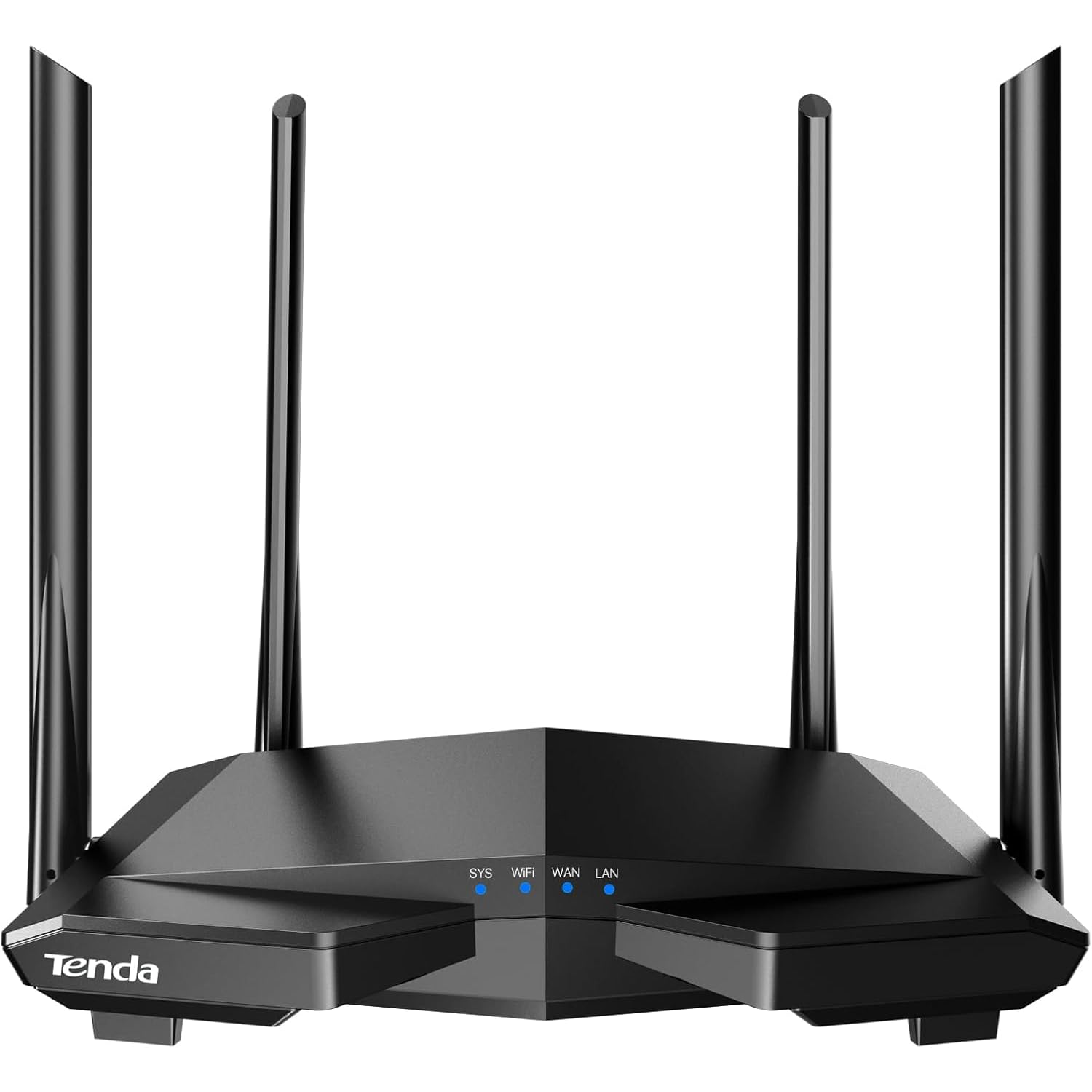
- Dual-band Wi-Fi is rated up to 1.2 Gbps.
- Four 6 dBi antennas and beamforming support signal coverage.
- App controls include guest Wi-Fi and parental controls.
Best For: Smaller home offices needing basic dual-band Wi-Fi and guest access.
Wi-Fi 7 for a Busy Home Network
TP-Link BE6500 Dual-Band WiFi 7 Router (BE400) – Dual 2.5Gbps Ports, USB 3.0, Covers up to 2,400 sq. ft., 90 Devices, Quad-Core CPU, HomeShield, Private IoT, Free Expert Support
The Archer BE400 pairs Wi-Fi 7 with dual 2.5 Gbps ports and coverage rated for up to 2,400 sq. ft. That makes it a practical fit for a home office sharing bandwidth with other connected devices. Its six-stream, dual-band design supports Multi-Link Operation, and the router can connect to EasyMesh-compatible equipment to extend coverage.
TP-Link also includes HomeShield and VPN client and server support. It is dual-band, so it does not offer a separate 6 GHz band; check whether your devices and internet service can use its newer Wi-Fi features before choosing it.
Best For: Remote workers with many connected devices and a multi-gig internet plan.
| Pros | Cons |
|---|---|
|
|
Choose the BE400 if you want Wi-Fi 7 and multi-gig Ethernet for a shared home network, especially where EasyMesh expansion could help reach an office room. Its rated coverage and device capacity give useful planning figures, though real coverage depends on the home layout.
Check the internet plan and client devices before paying for Wi-Fi 7 features, and confirm the complete port layout if you need to wire several desk devices directly.
Compact Wi-Fi 7 with Multi-Gig Ethernet
TP-Link Dual-Band BE3600 Wi-Fi 7 Router Archer BE230 | 4-Stream | 2×2.5G + 3×1G Ports, USB 3.0, 2.0 GHz Quad Core, 4 Antennas | VPN, EasyMesh, HomeShield, MLO, Private IOT | Free Expert Support
The Archer BE230 combines dual-band Wi-Fi 7 with two 2.5 Gbps ports and three 1 Gbps LAN ports. That wired selection can suit a desk with a computer, dock or other fixed equipment, while the 2.5 Gbps WAN/LAN port can connect to compatible multi-gig service.
The router is rated for up to 2,000 sq. ft. and 60 devices, with EasyMesh support for expansion. It has no 6 GHz band, so its Wi-Fi 7 implementation remains dual-band.
A separate modem is required for most internet providers.
Best For: Home offices needing Wi-Fi 7, several wired connections and mesh expansion.
| Pros | Cons |
|---|---|
|
|
The BE230 is a sensible desk-centered option if you want Wi-Fi 7 and more wired ports than a basic router typically highlights. Its five-port layout is especially relevant when a work computer and other stationary devices need Ethernet.
Its rated coverage is lower than some of the larger routers here, and it has no 6 GHz band. Compare its dual-band design and stated coverage with your floor plan, and make sure you have a modem for your service.
Tri-Band Wi-Fi 7 for Larger Homes
TP-Link Tri-Band BE9700 WiFi 7 Router (Archer BE600) – 10G Port, 2.5G Port, 3× 2.5G LAN, 320MHz Channel, Covers up to 2,600 sq. ft., 120 Devices, VPN, HomeShield Security
The Archer BE600 offers tri-band Wi-Fi 7, with a 6 GHz band and support for channels up to 320 MHz. Its listed coverage is up to 2,600 sq. ft. for as many as 120 devices, making it a candidate for a busy household where work calls share the network with streaming and other activity.
Wired connectivity includes a 10 Gbps WAN/LAN port, a 2.5 Gbps WAN/LAN port and three 2.5 Gbps LAN ports. VPN client and server support are included.
Check whether your devices and internet plan can use the higher-speed bands and ports.
Best For: Home offices in larger homes with many devices and multi-gig wired equipment.
| Pros | Cons |
|---|---|
|
|
Choose the BE600 when home office coverage and wired multi-gig connections are both priorities, especially in a household with many active devices. The tri-band design gives compatible clients an additional 6 GHz band, while its Ethernet ports accommodate faster wired equipment.
Those features are most useful when the internet plan and client hardware can take advantage of them. Check your provider's modem requirements and whether the router's size and band mix fit the work area.
6 GHz Band and Tri-Band Capacity
TP-Link AXE5400 Tri-Band WiFi 6E Router (Archer AXE75), 2025 PCMag Editors' Choice, 2.5Gbps WAN Port for Gaming & Streaming, 6GHz Band, 160MHz, OneMesh, Dual-Core CPU, VPN & WPA3 Security
The Archer AXE75 is a Wi-Fi 6E tri-band router with a dedicated 6 GHz band and a stated combined Wi-Fi speed of up to 5,400 Mbps. It supports OFDMA for simultaneous device transmissions and can form a OneMesh network with a compatible TP-Link extender.
VPN server and client features offer flexibility for remote access setups, while HomeShield includes basic network security and parental controls. Its listing highlights a 2.5 Gbps WAN port, but does not detail the full wired port layout in the available facts.
Check your modem, ISP plan and device compatibility before buying.
Best For: Workers with Wi-Fi 6E devices who want tri-band capacity and VPN features.
| Pros | Cons |
|---|---|
|
|
The AXE75 suits a home office with Wi-Fi 6E devices that can use the 6 GHz band, and its VPN and OneMesh features add useful setup flexibility. Its combined speed figure alone does not determine what your ISP or a particular client will deliver.
The available details also do not establish the complete wired port layout. Check whether your work devices support Wi-Fi 6E, whether an extender is needed for the office location, and what Ethernet connections your setup requires.
Dedicated Gaming Band for Shared Work and Play
TP-Link Tri-Band BE11000 Wi-Fi 7 Gaming Router Archer GE650 | 6-Stream 11 Gbps supports 320MHz | 2×5G + 3×2.5G Ports USB 3.0 | Game Acceleration, Dedicated Gaming Port & Panel, RGB Lighting|HomeShield
The Archer GE650 is a tri-band Wi-Fi 7 gaming router with a dedicated 5 GHz gaming band and a dashboard for network and router information. For a home office where gaming and work share the same connection, it offers a more gaming-oriented feature set than a basic router.
Its ports include 5 Gbps WAN and LAN connections plus three 2.5 Gbps LAN ports. The Tether app or web interface handles setup.
Its gaming focus may be unnecessary for a work-only setup, so compare the port speeds and wireless bands with the devices you actually use.
Best For: Home offices that share bandwidth with gaming on a tri-band Wi-Fi 7 network.
| Pros | Cons |
|---|---|
|
|
Consider the GE650 if your home office shares space and bandwidth with a gaming setup, or if you want its multi-gig wired ports for fixed devices. The dedicated gaming band and control panel serve that mixed-use scenario, but they add features that may not matter for video calls, documents and ordinary browsing.
No coverage area or device count is given in the available details. Check placement, home layout and your need for its gaming tools before selecting it.
High-Capacity Ports for Gaming Desks
TP-Link Tri-Band BE19000 Wi-Fi 7 Gaming Router Archer GE800 | 12-Stream | 2×10G + 4×2.5G Ports, USB 3.0 | Turbo Acceleration, Dedicated Gaming Port & Panel, RGB Lighting, HomeShield, Free Expert Help
The Archer GE800 is a tri-band Wi-Fi 7 gaming router with up to 19 Gbps across its bands and an extensive wired port layout: two 10 Gbps ports and four 2.5 Gbps ports. Its dedicated gaming port, acceleration tools and performance panel are aimed at gaming setups, but the many multi-gig connections could also interest a technically demanding home office with wired equipment.
EasyMesh support offers a way to extend coverage. This is a specialized, high-cost category of router; consider whether your internet service, computers and network devices can use its capabilities.
Best For: Power users who need numerous multi-gig wired connections alongside Wi-Fi 7.
| Pros | Cons |
|---|---|
|
|
The GE800 is a niche choice for a home office that also serves as a gaming and multi-gig networking hub. Its wired port count stands out among these picks, while its gaming panel and acceleration features have less value for ordinary office tasks.
Its listed capabilities are most relevant when connected equipment and internet service can use them. Before choosing it, check the complete network plan, the need for a modem, and whether the router's coverage suits the home.
Wi-Fi 6 with VPN and IoT Segmentation
Tenda AX3000 WiFi 6 Router,Dual-Band Gigabit Wireless Internet Router, Mesh & AP Mode, Built-in VPN, NFC Tap-to-Connect, OFDMA MU-MIMO, Secure IoT Network for Home Gaming & 4K Streaming(RX12 Pro V3.0)
The Tenda RX12 Pro V3.0 combines dual-band Wi-Fi 6 with a stated AX3000 class, four Gigabit ports and support for EasyMesh. It can create a dedicated IoT Wi-Fi network, and it supports OpenVPN and WireGuard through a firmware update, along with PPTP and L2TP.
NFC tap-to-connect offers a quick way to connect compatible Android phones. For a home office, these features offer a useful mix of wired connections and network management without moving to Wi-Fi 7.
It does not include a modem, so confirm your existing ISP equipment can provide the internet connection.
Best For: Home offices seeking Wi-Fi 6, VPN options and a separate IoT network.
| Pros | Cons |
|---|---|
|
|
The RX12 Pro V3.0 is a practical Wi-Fi 6 option if the home office needs multiple wired ports, VPN protocols and a separate network for smart devices. Its four Gigabit ports suit standard wired equipment, while EasyMesh provides an expansion path.
The WireGuard and OpenVPN support depends on the latest firmware update, so check firmware and setup requirements. It also needs an ISP modem or gateway; compare its Gigabit wired connections with any multi-gig service or equipment you plan to use.
Simple Dual-Band Router with App Controls
Tenda AC1200 Smart WiFi Router, High Speed Dual Band Wireless Internet Router with Smart APP, 4 x 100 Mbps Fast Ethernet Ports, Supports Guest WiFi, Access Point Mode, IPv6 and Parental Controls(AC6)
The Tenda AC6 is an AC1200 dual-band router with four 6 dBi antennas, beamforming and a companion app for setup and network management. It includes guest Wi-Fi, access point mode and parental controls, with MU-MIMO support on the 5 GHz band.
The four Ethernet ports are rated at 100 Mbps, which is a key consideration for computers or other equipment connected by cable. It is a straightforward option for a basic home office, but those Fast Ethernet ports are a limiting fit for plans and wired devices that call for higher throughput.
It requires a separate modem.
Best For: Smaller home offices needing basic dual-band Wi-Fi and guest access.
| Pros | Cons |
|---|---|
|
|
The AC6 is worth considering for a basic home office where the main needs are dual-band Wi-Fi, guest access and simple app controls. Its wired ports are limited to 100 Mbps, making it a poor match for users who rely on faster Ethernet to a work computer or have service above that wired ceiling.
Check how your office devices connect and whether an existing modem is available. Its access point mode also makes it useful when Wi-Fi must be added to an existing wired network.
How to Choose Wifi Routers For Home Office
How We Picked WiFi Routers for Home Office
We selected routers that can serve as a home network's main router and have features relevant to work at home, such as dual- or tri-band Wi-Fi, wired Ethernet, VPN support, app management or mesh expansion. The range includes a basic AC1200 model, Wi-Fi 6 choices and newer Wi-Fi 7 and Wi-Fi 6E routers.
Gaming models appear where their wired connections and tri-band features can also suit a demanding mixed-use office.
Coverage and device figures are manufacturer ratings, so use them as planning points alongside your home's layout, walls and router placement. Most routers require a separate modem or ISP gateway; check what your provider supplies.
Compatibility also matters: newer Wi-Fi bands and features help only when client devices support them.
Comparing WiFi Routers for Home Office
The biggest distinctions are wireless generation, number of bands and wired port speeds. The Tenda AC6 is the basic dual-band option, but its four Ethernet ports top out at 100 Mbps.
The Tenda RX12 Pro V3.0 steps up to Wi-Fi 6 and four Gigabit ports, with EasyMesh, VPN protocol support and a dedicated IoT network.
For Wi-Fi 7, the Archer BE230 and BE400 are dual-band models. The BE230 has five Ethernet ports and coverage rated up to 2,000 sq. ft.; the BE400 is rated up to 2,400 sq. ft. and 90 devices.
The Archer BE600 adds tri-band operation, 6 GHz and more multi-gig ports. The Wi-Fi 6E Archer AXE75 also has tri-band operation and 6 GHz, while EasyMesh models provide an expansion path.
The GE650 and GE800 put gaming controls and multi-gig wired connections at the center of their design.
| Product | Standout features | Best for |
|---|---|---|
| TP-Link Archer BE400Check Price |
| Remote workers with many connected devices and a multi-gig internet plan. |
| TP-Link Archer BE230Check Price |
| Home offices needing Wi-Fi 7, several wired connections and mesh expansion. |
| TP-Link Archer BE600Check Price |
| Home offices in larger homes with many devices and multi-gig wired equipment. |
| TP-Link Archer AXE75Check Price |
| Workers with Wi-Fi 6E devices who want tri-band capacity and VPN features. |
| TP-Link Archer GE650Check Price |
| Home offices that share bandwidth with gaming on a tri-band Wi-Fi 7 network. |
| TP-Link Archer GE800Check Price |
| Power users who need numerous multi-gig wired connections alongside Wi-Fi 7. |
| Tenda RX12 Pro V3.0Check Price |
| Home offices seeking Wi-Fi 6, VPN options and a separate IoT network. |
| Tenda AC6Check Price |
| Smaller home offices needing basic dual-band Wi-Fi and guest access. |
Choosing a Home Office Router by Connection Needs
Start with your ISP plan and the equipment you already have. Check whether your current modem or gateway can connect to the router and whether you pay for multi-gig service.
For desk devices, count the Ethernet connections you need, then compare their speeds: the AC6's 100 Mbps ports differ substantially from Gigabit and multi-gig ports on other options.
For video calls and file transfers, Wi-Fi generation is only one part of the setup. Router distance, walls, device capability and other network traffic also affect the connection.
A wired computer can avoid dependence on the wireless link, while a mesh-compatible router can help extend coverage when an office sits far from the main router.
Wi-Fi Bands, Mesh and Remote Access
Wi-Fi 6 routers such as the RX12 Pro V3.0 support a newer generation than the AC6. Wi-Fi 6E and Wi-Fi 7 models here add options including 6 GHz on tri-band products; the Archer BE230 and BE400 are dual-band Wi-Fi 7 routers and do not have that band.
Confirm that work laptops, phones and docks support the feature you want. A faster router cannot add client-side support that a device lacks.
VPN support varies by model and protocol. The RX12 Pro V3.0 supports OpenVPN and WireGuard through a firmware update; the Archer AXE75, BE400, BE600 and Deco model include VPN client and server capabilities.
These functions can matter for a remote access setup, but check protocol compatibility with your workplace's requirements. EasyMesh and OneMesh branding are ecosystem-specific, so verify that any extender you plan to use is compatible.
Which Home Office WiFi Router Fits Your Setup?
Choose the Tenda AC6 for basic dual-band access and app controls when its 100 Mbps wired ports are enough. The RX12 Pro V3.0 fits a Wi-Fi 6 setup that needs Gigabit Ethernet, VPN options and an IoT network.
For a wired desk with several devices, the Archer BE230 offers a useful combination of Wi-Fi 7 and five Ethernet ports.
Consider the BE400 for Wi-Fi 7 and broader rated coverage, or the BE600 when a tri-band design, 6 GHz and multi-gig ports match your devices and internet service. The AXE75 is an alternative for a Wi-Fi 6E network with VPN and OneMesh support.
The GE650 and GE800 are best matched to mixed work-and-gaming networks where their dedicated gaming controls or dense multi-gig port layouts have a clear role.